
Anthropic's New Sonnet 4.6: Cheaper but Far More Capable
 Ralf-Stiven Viru, CEO
Anthropic's new model Sonnet 4.6
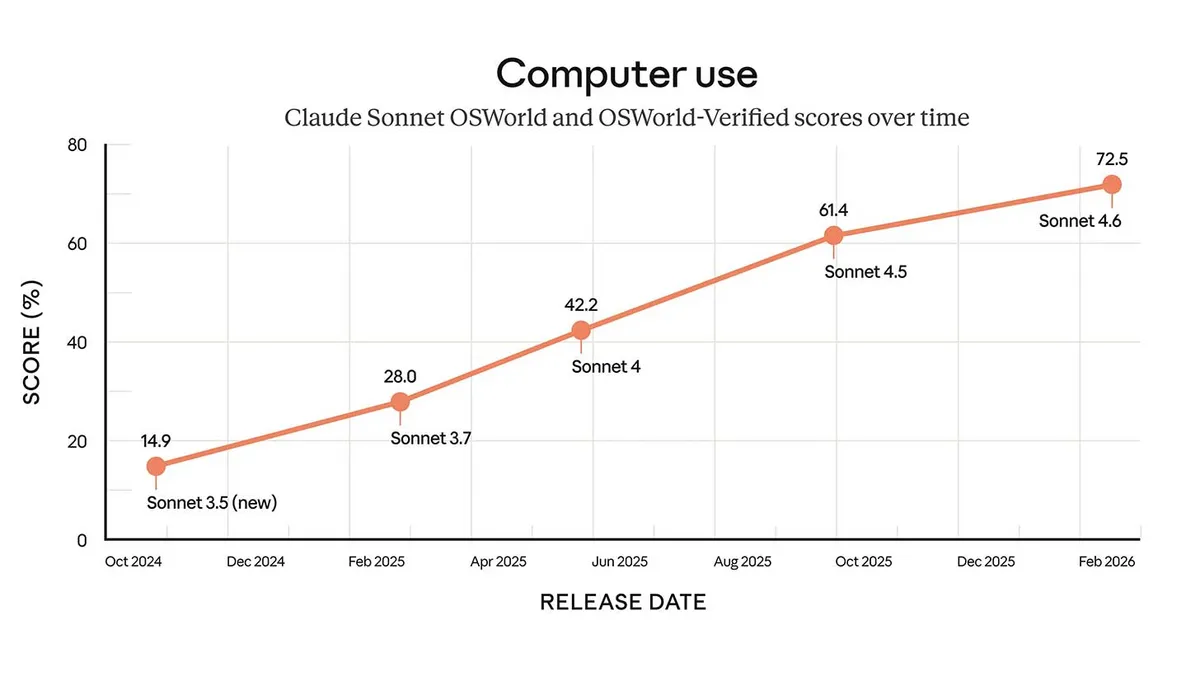
Image source: Anthropic
Overview: Anthropic introduced a new mid-range model, Claude Sonnet 4.6. This model can compete with or even surpass Opus 4.6 results in several domains, including financial analysis, computer use, coding, and office work benchmarks. At the same time, Sonnet is significantly more affordable, costing roughly a fifth less. The model's context window extends up to 1 million tokens.
Details:
-
In coding tests, Sonnet 4.6 scored 79.6%, just slightly below Opus 4.6's 80.8%, but Sonnet is significantly cheaper.
-
In financial analysis and office work benchmarks, Sonnet 4.6 outperformed Opus 4.6, a first-time achievement for this model class.
-
Early Claude Code users preferred the Sonnet 4.6 model 70% of the time over its predecessor. Compared to Opus 4.5, Sonnet won 59% of the time.
-
Computer use capability has improved significantly. OSWorld test scores have risen from 15% to 72.5%.
Why it matters: Anthropic is rapidly developing more affordable models that are nearly on par with the Opus series in capability. This is happening just weeks after the latest models were released. Given that strong models developed in China offer lower pricing, Sonnet 4.6 helps Anthropic maintain competitiveness in the fast-growing AI market.
Apple focuses on AI-powered wearable devices

Image source: Lovart
Overview: According to Bloomberg, Apple is accelerating the development of three AI-powered wearable devices. These include smart glasses, a pendant worn as a necklace, and new AirPods with cameras. All devices give Siri the ability to use real-time visual data via iPhone.
Details:
-
The smart glasses are equipped with two cameras and Apple's custom frameless design. The device has no display. Market launch is planned by the end of 2027.
-
The pendant is an always-on wearable device with a camera and microphone. It works with iPhone and acts as the user's "eyes and ears."
-
New AirPods with cameras could hit the market as early as this year. They use lower-quality sensors to provide Siri with visual support and improve real-time translation features.
-
All devices work with an updated Siri, which will get a chatbot-like user interface in iOS 27. The system is powered by Google's Gemini.
Why it matters: Apple's AI-powered wearable devices could transform the traditional tech market and bring the company to the center of AI developments. However, success largely depends on the quality of the updated Siri, which must rebuild user trust after previous disappointments and inconsistent performance.
Figma makes designs created by Claude Code editable
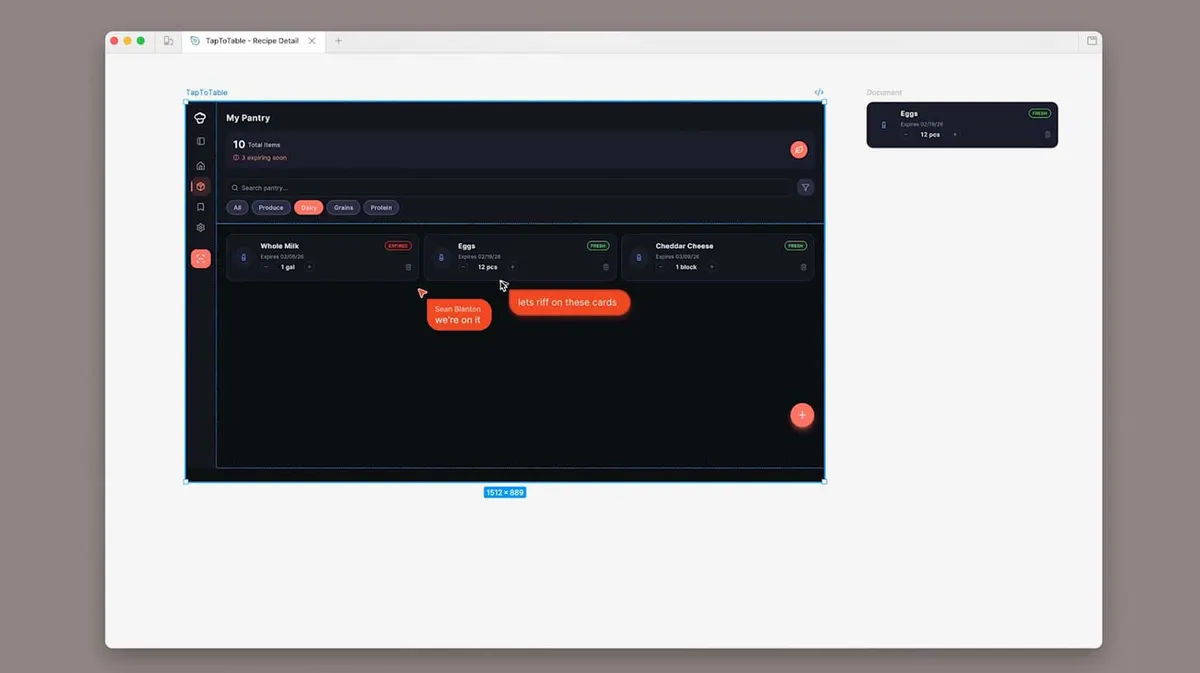
Image source: Figma
Overview: Figma, in collaboration with Anthropic, has launched a new integration that combines AI capabilities with design tools.
Details:
-
The feature allows you to capture an existing user interface from a browser and convert it into Figma design layers that can be easily edited, enhanced, and rearranged.
-
Figma's MCP server gives developers the ability to bring modified designs back into the coding environment without them remaining in a separate context.
-
Developers can capture the entire user experience as a whole, so teams can collaboratively analyze and further develop it.
-
The product launches at a time when Figma's stock has dropped nearly 85% compared to last summer, as uncertainty around AI coding has impacted SaaS sector sales figures.
Why it matters: Next-generation AI tools enable rapid creation of working user interfaces. Figma's goal is to provide clear, editable, and structured design layers even when the starting point is raw code or a prototype. As models evolve, this process could become increasingly automated, and market reaction shows that the potential of such solutions is being recognized.